
- Según las filtraciones, Apple está trabajando en unas gafas inteligentes que se presentarían a finales de este año
- También se planean unos AirPods con IA y un colgante con IA
- El enfoque de Apple, que prioriza la privacidad, podría ayudarle a triunfar con las gafas con IA
Todas las empresas tecnológicas y sus secuaces están incorporando la IA en cualquier sistema que puedan, y aunque Apple ha tardado en salir de la línea de salida, sus supuestas gafas con IA, los AirPods centrados en la IA y el collar con IA podrían ayudarla a arrebatar la victoria de las garras de la derrota, todo gracias a un enfoque clave a largo plazo: la privacidad.
Aunque Mark Gurman de Bloomberg (detrás de un muro de pago), quien a menudo comparte información confiable de fuentes internas de Apple, ya había adelantado algunos de estos dispositivos, acaba de revelar más detalles sobre los planes de Apple para crear sus primeras gafas inteligentes.
Según Gurman, Apple está desarrollando unas gafas inteligentes sin pantalla que competirán directamente con las Ray-Ban Meta Gen 2. Estas gafas inteligentes, cuyo nombre en clave interno es N50, aparentemente te permitirán tomar fotos y grabar videos, reproducir música, ver notificaciones e interactuar con Siri. Esta última, según los informes, finalmente recibirá una gran actualización en iOS 27.
Los rumoreados AirPods y el colgante podrían, de manera similar, basarse en tecnología como cámaras y micrófonos para capturar información de tu entorno y proporcionar información y asistencia, como recordatorios visuales.
Gurman no revela las fechas de lanzamiento de ninguno de los tres modelos, pero afirma que las gafas inteligentes deberían salir al mercado a finales de este año, con un lanzamiento previsto para 2027. También afirma que las gafas inteligentes de Apple se están probando con cuatro diseños: una montura grande y rectangular (como las Ray-Ban Wayfarer), un diseño rectangular más delgado (como las gafas de Tim Cook), monturas ovaladas o circulares más grandes, además de una versión «más pequeña y refinada» de estas últimas.
Pero a pesar de estos rumores de que Apple intentará eclipsar a sus rivales con un "diseño de gama alta", sigo pensando que les va a costar mucho trabajo, por varias razones.
Not plain sailing

For starters, this delayed Apple glasses rollout could damage the perceived utility of its tech compared to its rivals — especially as by the time it debuts AI specs, Apple’s competitors are expected to have a generation or two of AR / display glasses released.
From experience, AR and display glasses (which can overlay your vision with various details, including live translation, shared play environments, or HUD elements like a map) are also a significant step up from display-less AI specs in terms of their usefulness and capabilities.
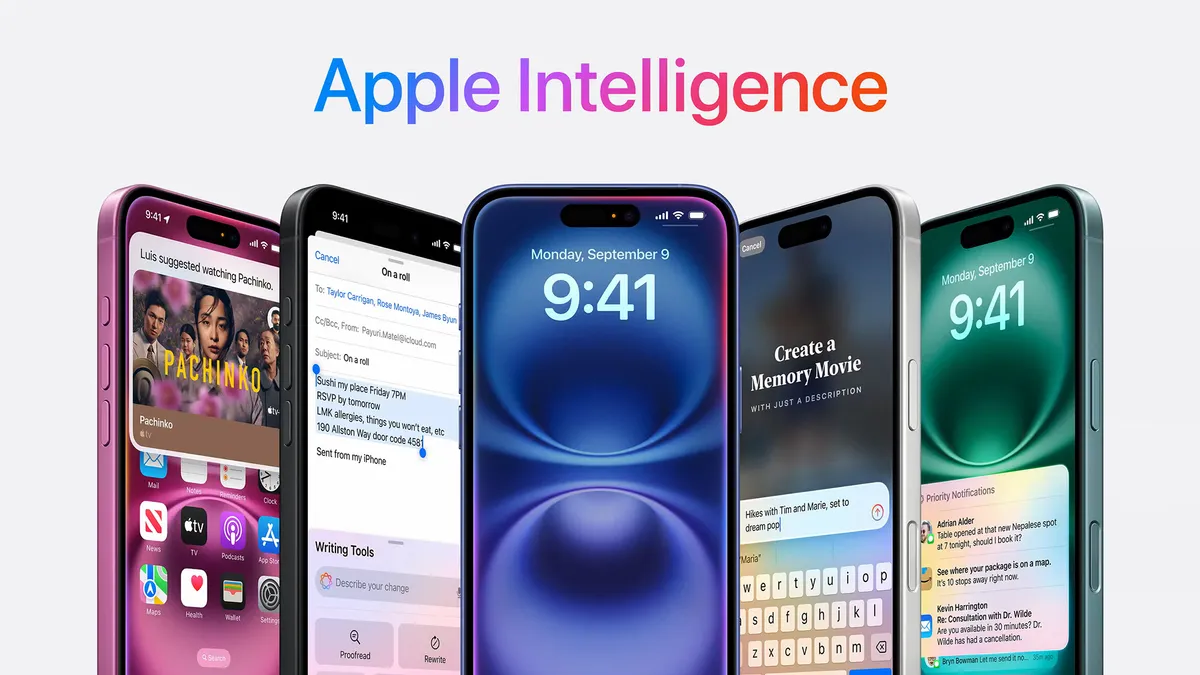
The less-than-stellar Apple Intelligence rollout also gives me cause for concern. Apple still hasn't really proved that it knows what it's doing with AI.
The other potential pitfall is that Apple is said to be going it alone design-wise, rather than linking with a brand like Ray-Ban or Warby Parker, like Meta and Google have. As a fashion accessory, the look of smart glasses is almost as essential as their usefulness, and several brands I’ve seen try to design their glasses in-house have struggled to make something that looks good.
That said, if any brand can buck that trend, it’s arguably the tech design champion that is Apple.
And the Californian tech giant also has one major smart glasses strength that could still win me over, even as an Android fan: privacy.
Privacy, privacy, privacy
Visual reminders are seen as the next big advantage AI wearables can leverage. That is, they can take in all of the information about your life and help you remember things like people’s names, where you left your keys, or what needs restocking in your fridge.
The issue is, while this level of AI assistance is undeniably useful, it’s equally invasive — essentially requiring the wearable to have an always-on view of your life. Otherwise, it could miss vital context that would make its advice useless.
Meta and Google's practices have come under fire in the past for their data privacy, and what information is or isn’t shared with their AI — most recently, Meta has fallen into hot water over how many more videos and images than people realized are being shared with Meta and reviewed by contractors.
Apple, on the other hand, has always made a big effort to promote privacy with its tech. And in the world of AI — where some tasks require personal information to be processed on servers rather than on your device — it created Private Cloud Compute to ensure that user data is kept private even when it is used by Apple’s remote servers.
I’m firmly in the Android ecosystem, and if you’ve seen our podcast you know I have a bit of an ‘Apple-hater’ persona. Still, I’d currently trust Apple glasses over any other brand as things stand — and with the privacy advantages I expect them to offer I’d even be willing to put up with worse performance and specs if it meant knowing my personal data was secure.
We’ll have to wait and see what Apple reveals — as with all leaks, we must take teases and speculation with a pinch of salt — but I’m uncharacteristically excited to see what Apple has up its sleeve. Meta and Google (and the rest) should watch out.
Follow TechRadar on Google News and add us as a preferred source to get our expert news, reviews, and opinion in your feeds. Make sure to click the Follow button!
And of course you can also follow TechRadar on TikTok for news, reviews, unboxings in video form, and get regular updates from us on WhatsApp too.
